Personalized, Evidence-Informed Care for the Health You Deserve

Perimenopause can change the way you feel in your body — sometimes gradually, and sometimes seemingly all at once.

Your periods may change. Sleep can become unpredictable. You may notice changes in mood, energy, concentration, body composition, libido or your ability to manage stress. And these changes can begin years before you expect menopause to be relevant.

Maybe you’ve been told your blood work is “normal,” but you know something has changed. Maybe you’ve been offered treatment without enough time to understand your options. Or maybe you simply don’t feel like yourself anymore.

At The Root Natural Health Clinic in Port Credit, Mississauga, our Naturopathic Doctors provide personalized, evidence-informed care for women navigating perimenopause, menopause and postmenopause.

We believe you deserve time to be heard, thoughtful investigation when appropriate, clear information about your options, and a plan that considers your whole health — not just your hormones.

And we see this transition as something more:

Perimenopause is an opportunity to recalibrate — to understand what your body needs now, reconsider how you nourish, move and care for yourself, and build a strong foundation for the decades ahead.
BOOK A NATUROPATHIC CONSULTATION

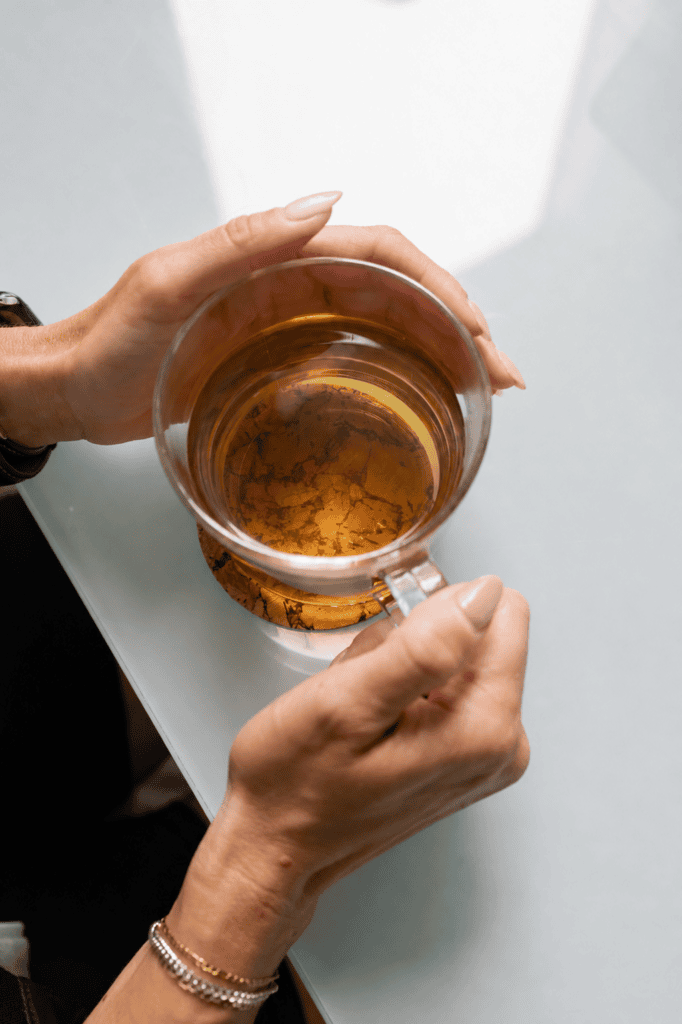
Woman enjoying herbal tea during perimenopause and menopause care in Mississauga

Common Signs & Symptoms of Perimenopause

Perimenopause can affect much more than your menstrual cycle.

Symptoms may include:

  • Periods that become shorter, longer, heavier, lighter or less predictable
  • Hot flashes or night sweats
  • Difficulty falling asleep or staying asleep
  • Early-morning waking or feeling unrefreshed
  • Mood changes, irritability or increased emotional sensitivity
  • New or worsening anxiety
  • Changes in premenstrual symptoms
  • Fatigue or reduced stamina
  • Brain fog or difficulty concentrating
  • Headaches or migraines
  • Breast tenderness
  • Joint or muscle discomfort
  • Changes in weight, body composition or insulin sensitivity
  • Vaginal dryness or discomfort
  • Pain during sexual activity
  • Changes in libido
  • Urinary urgency or recurrent urinary symptoms
  • Hair or skin changes
  • Heart palpitations

Hot flashes, night sweats, vaginal symptoms, sleep disruption and mood changes are among the commonly recognized symptoms of the menopause transition, but every woman’s experience is different.

Not every symptom that develops in your 40s or 50s is necessarily caused by perimenopause.

Thyroid disorders, iron deficiency, sleep disorders, medication effects, pregnancy, mental-health concerns and other medical conditions can sometimes cause similar symptoms.

Perimenopause care should always look at the whole picture rather than assuming everything is “just hormones.”


Perimenopause Is an Opportunity to Recalibrate

Perimenopause isn’t simply something to get through.

It is a transition — and an opportunity to recalibrate on all levels.

As hormones shift, so can metabolism, muscle mass, bone health, sleep, mood, cognition, cardiovascular health and overall well-being. The things that supported you in your 20s and 30s may not be exactly what your body needs now.

This is an opportunity to become curious about what has changed and more intentional about how you care for yourself.

How are you nourishing yourself?

Not through restriction or another diet, but with enough protein, fiber and nutrient-dense food to support energy, muscle, bone, metabolic health and healthy aging.

How are you moving?

This is a powerful time to prioritize strength, preserve muscle and bone, support cardiovascular fitness, and find ways of moving that help you feel strong and capable.

How are you sleeping and recovering?

Sleep, stress and recovery matter. We look beyond simply pushing through fatigue and consider what your body and nervous system may need during this transition.

How are you caring for your future health?

Perimenopause is an important time to understand your blood pressure, blood sugar, insulin sensitivity, cholesterol, bone-health risk factors and other markers that influence health well beyond menopause.

And how are you caring for yourself?

Midlife can carry enormous demands. This transition can be an invitation to reconsider what you need, what is no longer serving you, and where your own health fits among everything else you care for.

This isn’t about creating another overwhelming list of things you “should” be doing.

It’s about understanding your changing body so that your choices can become more intentional — and building a way of caring for yourself that supports the woman you are now and the woman you are becoming.

Perimenopause is an opportunity to recalibrate, build resilience and invest in your health.


Menopausal Hormone Therapy (MHT)

Menopausal hormone therapy (MHT), formerly commonly referred to as hormone replacement therapy (HRT), may be appropriate for many women following an individualized assessment of symptoms, health history, benefits, risks and personal preferences.

At The Root, Dr. Stephanie Fairborn, ND, and Dr. Amanda Capasso, ND offer menopausal hormone therapy as part of their treatment considerations for perimenopause and menopause care. When appropriate, MHT can be considered alongside nutrition, movement, sleep and stress support, evidence-informed supplements and non-hormonal treatment options.

For women who are considering MHT, care includes an individualized assessment to determine whether hormone therapy may be appropriate and a discussion of the available options so you can make an informed decision about your care.

If you are seeing another member of our naturopathic team, we can also help you understand your options and collaborate with your prescribing healthcare provider when needed.

Our goal isn’t to steer you toward or away from hormone therapy. It’s to help you understand your options and create a plan that supports both how you feel now and your health for the years ahead.

Frequently Asked Questions About Perimenopause & Menopause

What is the difference between perimenopause and menopause?

Perimenopause is the transition leading up to menopause. Hormone production becomes more variable, periods may change, and symptoms can begin even while cycles remain regular.

Menopause is reached after 12 consecutive months without a menstrual period when there is no other medical cause. The years afterward are referred to as post-menopause.

What age does perimenopause usually begin?

Perimenopause commonly begins in the 40s, although some women notice changes earlier or later.

Symptoms or menstrual changes before age 40 should receive appropriate medical assessment to consider premature ovarian insufficiency or other possible causes.

Can I be in perimenopause if my periods are still regular?

Yes. Sleep disruption, mood changes, hot flashes, changes in PMS, brain fog and other symptoms can begin before obvious menstrual irregularity develops.

Do I need hormone testing to know if I’m in perimenopause?

Not always. For many women over 45 with typical symptoms, perimenopause can be identified clinically.

Hormone levels can fluctuate considerably during this transition, so a single hormone measurement may not provide a definitive answer. Testing may be appropriate when symptoms are atypical, periods stop at a younger age, pregnancy is possible or another health condition needs to be investigated.

What blood work may be helpful during perimenopause?

There isn’t one standard “perimenopause blood panel” that every woman needs, nor is blood work helpful to ‘confirm perimenopause’.

Individualized assessment is designed for you considering symptoms, medical history and risk factors. It may include thyroid function, CBC and iron status, blood sugar and metabolic markers, cholesterol, vitamin or nutrient status, and other appropriate investigations.

Can a Naturopathic Doctor help with perimenopause?

Yes. Naturopathic care can provide individualized support for nutrition, sleep, stress, movement, metabolic health, brain health, bone health, and cardiovascular health, and symptom management.

At The Root, our goal is to help you understand what’s changing and create an evidence-informed plan that complements appropriate medical care.

Do you offer Menopausal Hormone Therapy (MHT/HRT)?

Yes. Dr. Stephanie Fairborn, ND and Dr. Amanda Capasso, ND offer menopausal hormone therapy (MHT), formerly commonly referred to as hormone replacement therapy (HRT), as part of their perimenopause and menopause care. Our goal is to help you understand your options and make informed decisions about your health.

Can naturopathic care help with hot flashes and night sweats?

Yes. Your Naturopathic Doctor can assess factors that may be contributing to your symptoms and discuss evidence-informed care for these symptoms as well as health screening considerations.

Can perimenopause cause anxiety, brain fog or sleep problems?

Yes. Changes in mood, anxiety, concentration and sleep can occur during the menopause transition. Sleep disruption, stress, medications, sleep apnea and other health concerns may also contribute.

New, severe or persistent symptoms deserve appropriate assessment rather than automatically being attributed to hormones.

Is weight gain inevitable during perimenopause?

No. Body composition and fat distribution can change during midlife, but weight gain is influenced by many factors beyond hormones.

We focus on sustainable nutrition, strength training, preserving muscle mass, regular movement, sleep and metabolic health rather than increasingly restrictive diets.

Can perimenopause cause heavy or irregular periods?

Yes. Periods may become longer, shorter, heavier, lighter or less predictable.

However, very heavy or prolonged bleeding, bleeding between periods, bleeding after sex or any bleeding after menopause should be medically assessed rather than automatically attributed to hormonal changes.

Can perimenopause affect vaginal, urinary or sexual health?

Yes. Hormonal changes can contribute to vaginal dryness, irritation, discomfort during sex, urinary urgency and recurrent urinary symptoms.

These concerns are common and treatable. Depending on your needs, options may include moisturizers, lubricants, pelvic-floor care, vaginal hormone therapy or other treatments.

What happens during a perimenopause consultation?

Your initial consultation looks at the whole picture: your symptoms and menstrual cycle, sleep, mood, energy, nutrition, movement and strength, stress, vaginal and sexual health, medications and supplements, previous blood work, and metabolic, cardiovascular and bone health.

From there, we create a prioritized, realistic plan based on your health history, symptoms and goals.

When should I seek medical assessment?

Symptoms that are severe, unusual or worsening should receive appropriate medical assessment.

This is particularly important for very heavy or prolonged bleeding, bleeding between periods, bleeding after sex, any bleeding after menopause, significant pelvic pain, a new breast concern, fainting or chest pain.

Do I need a referral to see a Naturopathic Doctor at The Root?

A medical referral is not required. If available, bring recent blood work, imaging, medication and supplement lists, and relevant medical reports to your appointment.

Do you offer virtual perimenopause and menopause appointments?

Virtual appointments may be available to Ontario residents.

In-person perimenopause and menopause care is available at The Root Natural Health Clinic in Port Credit, Mississauga, serving women throughout Mississauga and surrounding communities.